
The Scale Is Giving You Information, Not a Grade 📊
Have you ever stepped on the scale, seen a number you weren't expecting, and immediately thought, “What did I do wrong?”
Maybe you were up 2 pounds from the previous week. Maybe you were down more than expected. Maybe the number hadn't moved at all and you were frustrated because you felt like you had been doing everything right.
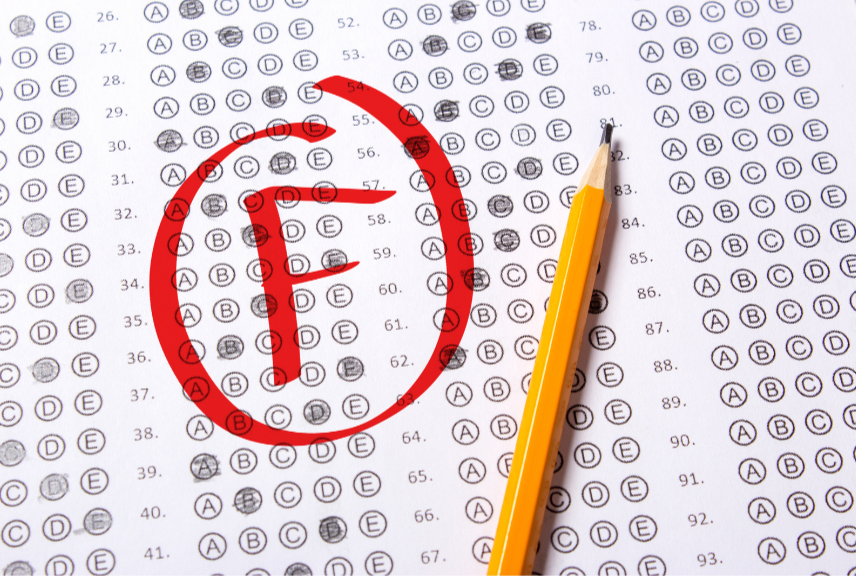
It is very easy to look at the scale and treat the number like a report card.
Down? Good job.
Up? You messed up.
Same? Something isn't working.
But that's not really what the scale is doing.
The scale is giving you information. It is not giving you a grade.
And learning how to look at that information without immediately attaching a judgment to it can make a huge difference in your relationship with the scale and your ability to make smart decisions with your nutrition.
Your weight is more than body fat
One of the biggest things to remember is that the number on the scale represents your total body weight at that particular moment. It isn't measuring your body fat specifically.
Your weight can be affected by things like:
• Water retention
• Sodium intake
• Carbohydrate intake and stored glycogen
• Food still being digested
• Bowel movements
• Your menstrual cycle
• Alcohol
• Travel
• Poor sleep
• Hard workouts and muscle inflammation
• Changes in your usual activity
So if you step on the scale and see that you're up 2 pounds after a weekend of eating out, that does not automatically mean you gained 2 pounds of body fat.
Your body simply has more going on than fat gain or fat loss.
This is also why you can have a week where you followed your nutrition plan really well and the scale doesn't cooperate. It doesn't mean your efforts didn't count. Sometimes the changes you're looking for are temporarily being masked by other things happening in your body.
One weigh-in is just one piece of information
This is why we care much more about trends than individual weigh-ins.
Let's say you weigh:
Monday: 172
Wednesday: 174
Friday: 171
Monday: 173
It would be easy to look at that 174 and think, “I'm gaining weight!”
But when you zoom out, you can see that your weight is simply moving around within a range.
Your body weight isn't supposed to stay exactly the same every day. In fact, if you weigh yourself regularly, you're going to see fluctuations. That's normal.
The more useful question isn't:
“What did the scale say today?”
It's:
“What is my weight doing over time?”
That's where we can start to see an actual trend.
Context matters
Before you decide that a change on the scale means something went wrong, take a look at what was happening that week.
Did you eat at a restaurant a few times?
You may have had more sodium than usual.
Did you have a higher-carbohydrate weekend?
Your body stores carbohydrates along with water, which can temporarily increase your scale weight.
Did you have a few drinks?
That can affect hydration and your food choices, and you may also notice some temporary water fluctuations afterward.
Are you about to start your period?
Hormonal changes can cause noticeable changes in water retention.
Did you have a particularly hard strength-training week?
Your muscles can hold onto additional water as they recover.
Have you been traveling or sleeping poorly?
Changes in your normal routine can show up on the scale, too.
None of these things mean you did something wrong.
They're simply context.
And context makes the number much easier to interpret.
Don't make a big decision based on a small amount of data
One of the biggest mistakes I see is reacting to a single weigh-in.
The scale is up, so calories need to be cut.
The scale hasn't moved, so cardio needs to increase.
The scale is down, so maybe you can eat even less.
Slow down.
Before making a change, give yourself enough time and enough data to actually know whether a change is necessary.
This is one reason we don't want to constantly adjust your nutrition based on what happened yesterday or what the scale did this morning.
Your body needs time.
Your nutrition needs consistency.
And your data needs enough context to actually tell us something useful.
But what if the trend really is going up?
This is where we don't want to take the message too far in the other direction.
The scale is useful.
If your weight on average is consistently trending upward over several weeks and you're supposed to be maintaining your weight, that's information we should pay attention to.
If you're in a calorie deficit and your weight has been trending upward for several weeks, that's worth looking at, too.
But instead of panicking over one weigh-in, we can ask better questions.
Are you consistently and accurately (weighing food on a food scale) tracking your food?
Have portions changed?
Has your activity decreased?
Have weekends become less structured?
Are there foods or meals you're regularly underestimating?
Has your maintenance or deficit target changed?
Is there another reason you may be retaining more water right now?
That's a much more productive conversation than simply deciding, “The scale went up, so I need to eat less.”
We don't ignore the data. We just interpret it appropriately.
Your weight is not a measure of how “good” you were
This might be the most important part.
A higher weigh-in does not mean you were bad.
A lower weigh-in does not mean you were good.
You don't earn a lower number by being “better” at dieting, and you don't deserve a higher number because you ate something you enjoyed.
The scale doesn't know how many vegetables you ate.
It doesn't know whether you hit your protein goal.
It doesn't know how hard you worked in the gym.
It doesn't know whether you had a stressful week or an amazing week.
It certainly doesn't know whether you are a good or bad person.
It just gives you a number.
Your job isn't to judge the number. Your job is to collect the information and look for the bigger picture.
So the next time you step on the scale and see something you weren't expecting, take a breath before you react.
Ask yourself:
What else could be contributing to this number?
What does my overall trend look like?
Do I actually have enough data to know that something needs to change?
And sometimes the answer will be yes. Maybe your trend is telling us that an adjustment would be helpful.
But sometimes the answer is simply, “It's one weigh-in.”
And that's okay, too.
The scale is there to give you information.
It is not there to give you a grade.
Want to learn more about The Habyt? We offer a FREE discovery call where we can answer all you questions!