
Menopause Belly: Why It Happens & What You Can Do
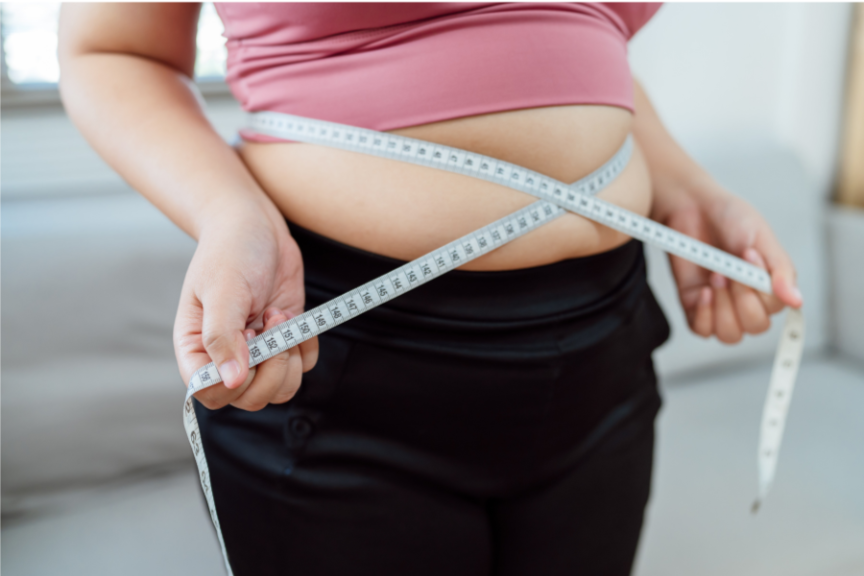
Have you ever looked in the mirror and thought...
"I haven't really changed my eating habits, but suddenly all of my weight seems to be settling in my stomach."
You're not imagining it.
One of the most common concerns women have during perimenopause and menopause is that their body seems to be changing shape—even if the scale hasn't moved much.
If you've noticed that your clothes fit differently around your waist while the rest of your body feels relatively unchanged, you're not alone.
The good news? This isn't a personal failure, and it doesn't mean your metabolism is broken. There are real physiological changes happening, and understanding them can help you focus on what actually makes a difference.
Why Does Fat Distribution Change?
Throughout our reproductive years, estrogen plays a major role in where we tend to store body fat.
Higher estrogen levels encourage what's often called a "pear-shaped" pattern—more fat stored around the hips, thighs, and glutes. Researchers believe this pattern evolved because those fat stores provide an important energy reserve for pregnancy and breastfeeding.
As estrogen begins to decline during perimenopause and menopause, that pattern starts to shift.
Instead of preferentially storing fat in the lower body, women become more likely to store fat around the abdomen, particularly the lower stomach and waist. It's not that your body is moving fat from your hips to your stomach. Rather, new fat is simply more likely to be stored around your midsection as your hormones change.
In addition, women tend to store more subcutaneous fat (the fat just beneath the skin) during their younger years. As estrogen declines, there's a greater tendency to store visceral fat, which surrounds the abdominal organs. This type of fat is more closely linked to metabolic and cardiovascular health, making strength training, regular movement, and good nutrition even more important during this stage of life.
This can happen even if your overall body weight hasn't changed dramatically.
Many women notice:
Pants fitting tighter around the waist
More softness in the lower belly
A thicker midsection despite eating similarly to before
Less fullness in the hips and glutes than they used to have
This change is incredibly common and is largely driven by hormones—not by a lack of willpower.
It's Not Just Hormones
Hormones are part of the story, but they're not the entire picture.
During menopause, several things tend to happen at the same time:
We naturally lose muscle mass if we aren't actively working to maintain it.
Daily movement often decreases without us realizing it.
Sleep may become more disrupted.
Stress levels may increase.
Recovery from exercise can take longer.
All of these factors can make it easier to gain body fat or lose muscle, which changes how your body looks—even if your weight stays relatively stable.
This is one reason why the scale doesn't always tell the whole story.
Body Composition Matters More Than the Scale
Two women can weigh exactly the same but look completely different.
Why?
Because body composition—the ratio of muscle to body fat—has a huge impact on how we look and feel.
If muscle mass decreases while body fat increases, clothing may fit differently, strength may decline, and the waistline may become softer, even if the number on the scale barely changes.
That's why we encourage our clients to pay attention to more than just body weight.
Progress photos, measurements, strength in the gym, energy levels, and how clothes fit often tell a much more complete story.
Can You Spot Reduce Belly Fat?
This is probably the question we hear most often.
Unfortunately, the answer is no.
No exercise, supplement, or food can tell your body to burn fat from one specific area. Doing endless crunches won't specifically target lower belly fat any more than doing squats will only burn fat from your thighs.
Where your body stores fat—and where it loses fat first—is largely influenced by genetics and hormones.
The good news is that while you can't choose where your body loses fat, you can improve your overall body composition.
As you build muscle through strength training and reduce body fat through sustainable nutrition habits, you'll lose fat from all over your body over time. The order in which it comes off is different for everyone, so patience is key.
Focus on the habits you can control instead of trying to target one stubborn area.
What Can You Do?
While you can't completely prevent hormonal changes, you can absolutely influence how your body responds to them.
Here are some of the biggest habits that make a difference:
Prioritize Strength Training
Resistance training is one of the best tools for preserving muscle during menopause.
Building and maintaining muscle helps support metabolism, improve body composition, increase strength, and maintain independence as we age.
Aim to lift weights 2–4 times per week, focusing on progressive overload over time.
Eat Enough Protein
Protein becomes even more important during menopause because it helps preserve muscle tissue.
Try to include a quality source of protein at each meal and snack throughout the day.
Stay Active Outside the Gym
Structured workouts are important, but so is your everyday movement.
Walking, taking the stairs, gardening, playing with grandkids, and simply moving more throughout the day all contribute to energy expenditure and overall health.
Manage Stress and Prioritize Sleep
While these habits don't directly determine where your body stores fat, chronic stress and poor sleep can make it more difficult to manage your weight, recover from workouts, and feel your best. Prioritizing both can support your overall health and make healthy habits easier to maintain.
Manage Expectations
One of the biggest mindset shifts during menopause is recognizing that your body may not look exactly like it did at 25.
And that's okay.
The goal isn't to fight your body every step of the way.
The goal is to support it by building strength, fueling it well, and focusing on habits that improve your health for decades to come.
The Bottom Line
If you've noticed your lower stomach becoming a place where you carry more weight than you used to, you're far from alone.
Hormonal changes during menopause can absolutely influence where your body stores fat. While we can't control every aspect of those changes, we can control how we respond.
Strength training, adequate protein, daily movement, quality sleep, stress management, and realistic expectations can all help improve body composition and support healthy aging.
Your body is changing—but that doesn't mean you've lost the ability to become stronger, healthier, and more confident than ever.
Ready for Support?
Navigating nutrition during perimenopause and menopause can feel frustrating, especially when your body starts responding differently than it used to. The good news is you don't have to figure it out on your own.
At Habyt, we help women build sustainable nutrition, movement, and strength-training habits that work with their changing bodies—not against them. If you're ready for personalized guidance and a plan tailored to your goals, we'd love to chat.
Want to learn more about The Habyt? We offer a FREE discovery call where we can answer all you questions!